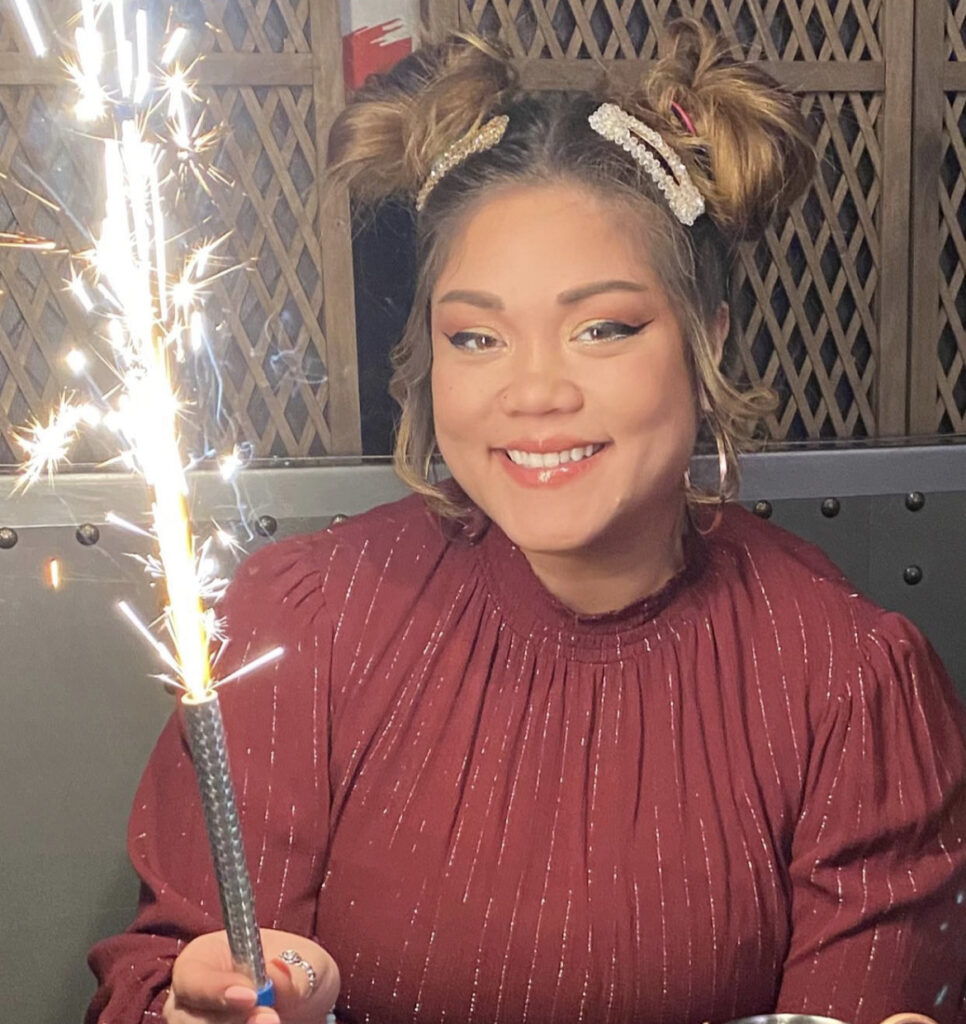


Even I can be a Disney Princess
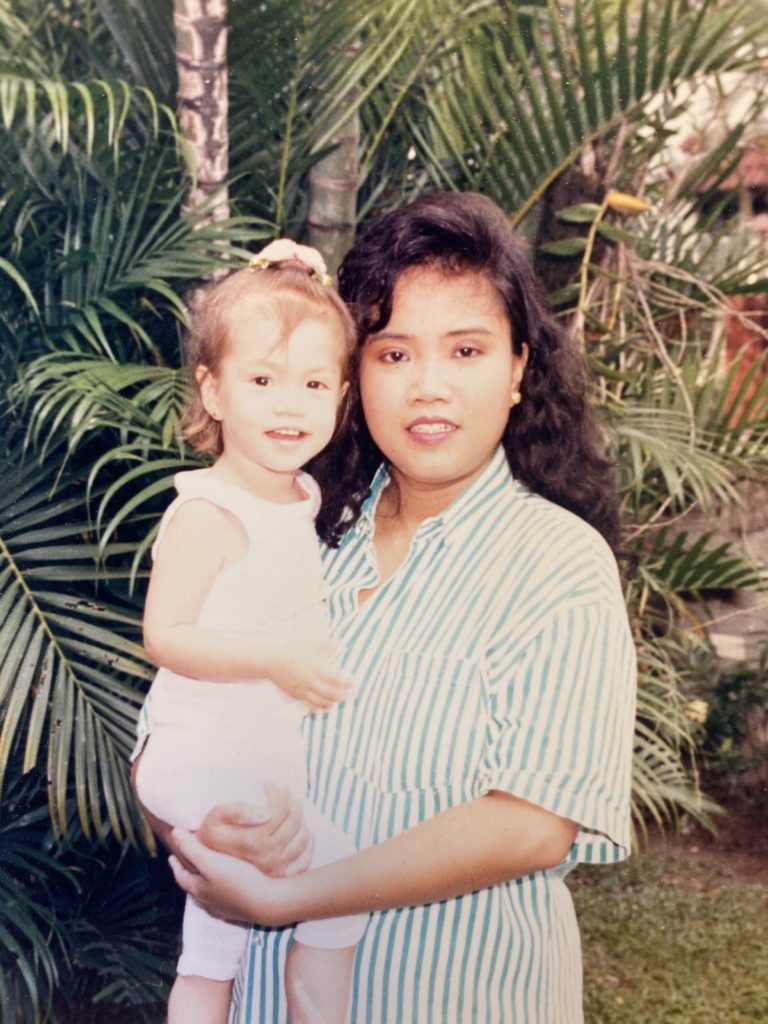
Growing up in the 90s and being an Asian American girl in Alabama, I knew I was different and it was evident through the way I looked and in the way I was treated by others. I am half Filipina and was born on Clark Air Base in Angeles City, Philippines, ultimately ending up in Huntsville, Alabama with my family. As a child I found myself desperately wishing I had blonde hair and blue eyes, often being tragically made to feel the way I looked was inadequate. I was bullied and developed self – esteem issues. Rarely did I see Asian girls, much less South East Asian girls, being represented on the big screen, and they were definitely never the main character. (Reader beware, I am sure you did not realize I was going to take you down a road of savage truths, but they are my truths and maybe if it helps one person then it will be worth it.)
These types of behaviors and bullying still occur today, as evident through the many recent hate crimes ravaging throughout the Asian American and Pacific Islander (AAPI) community. I was, and still am, a minority, but thankfully I have grown and learned so much to help me become the strong and confident woman I am today. These experiences have led me to understand how powerful representation is for minorities. Now as an adult I am excited when films such as Moana, Raya and the Last Dragon, and Finding Ohana are created. I felt I was always the “sidekick,” never the main character. When I watch movies such as these and I look at the main character, I see a woman who looks similar to me. I see a woman who looks like she could be my aunt or cousin. Respectful representation is needed in the media, because it allows individuals within the AAPI community to feel included, and helps to undo decades of harmful and stereotypical misrepresentation. The AAPI community receiving positive representation is so important and gives children and adults the confidence and support that I felt was lacking during my childhood.
The current events affecting the AAPI community have been tragic. As a member of the AAPI community, I feel a responsibility to help others learn about what is going on. It is important to understand that we are all different, and these differences are what make us unique and should be respected. I composed a list of five ways you and your loved ones can learn about and support the AAPI community.
- Do not be afraid to have those difficult conversations with loved ones. Sometimes the hardest conversations we need to have are with the people we care about the most. Communication is key, and change cannot happen until you speak up against people’s racism and hate.
- Talk to the AAPI individuals in your lives. Ask how you can advocate and make a safe space for them.
- Support your local AAPI owned small businesses! Here is a list of my local favorites! If I left anyone out, let us know!
- Liz Kusina Filipino Restaurant
- Big Oh’s
- Viet Cuisine
- Haru
- Viet Huong Vietnamese Restuarant
- Thai Garden
- Champy’s Madison
- Donate to a reputable charity to support a worthy cause on behalf of the AAPI Community
NAPIESV | National Organization of Asians and Pacific Islanders Ending Sexual Violence
Asian Pacific Fund | COVID-19 Recovery Fund
Asian Mental Health Collective (asianmhc.org)
the center for asian pacific american women (apawomen.org)
- Share resources with others.